What is Continuous Glucose Monitoring (CGM)?
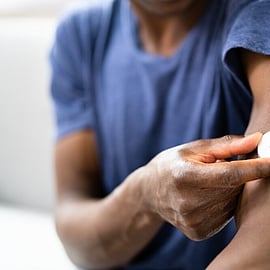
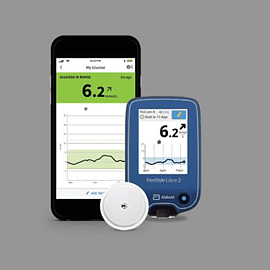
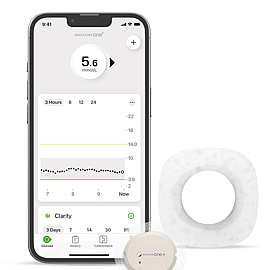
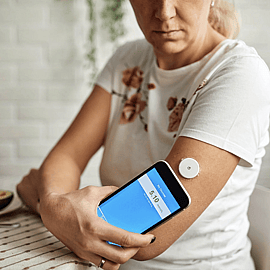
We have stock of all CGM devices for people with Type 1 diabetes.
Better control and no more routine finger pricking.
Continuous Glucose Monitoring (CGM) is a modern way to monitor glucose (blood sugar) levels throughout the day and night. Unlike a traditional finger-prick blood glucose test, a CGM provides ongoing glucose readings, helping people with diabetes understand how their glucose levels change over time.
CGMs have transformed diabetes management by providing real-time information, alerts for high or low glucose levels, and valuable insights into how food, exercise, stress, illness, and medication affect blood sugar.
How does a CGM work?
A Continuous Glucose Monitor consists of three main parts:
A small sensor worn on the skin, usually on the back of the upper arm or abdomen. A tiny filament sits just beneath the skin and measures glucose levels in the fluid between your cells.
A transmitter, which sends glucose readings from the sensor.
A receiver or smartphone app, where you can view your glucose readings, trends, and alerts.
Most CGMs automatically record glucose levels every few minutes, giving you a detailed picture of how your glucose changes throughout the day.
How is a CGM different from finger-prick testing?
A finger-prick blood glucose test tells you what your blood glucose level is at a single point in time.
A CGM provides much more information by:
Monitoring glucose continuously, day and night.
Showing whether glucose levels are rising, falling, or staying steady.
Alerting you to high or low glucose levels before they become serious.
Helping identify patterns that may otherwise go unnoticed.
Many people still need occasional finger-prick tests to confirm readings or calibrate certain devices, depending on the type of CGM they use.
Benefits of Continuous Glucose Monitoring
CGMs can help people with diabetes:
Improve their overall glucose management.
Increase the amount of time their glucose stays within their target range.
Reduce episodes of low blood glucose (hypoglycaemia).
Identify overnight glucose changes while sleeping.
Better understand how meals, exercise, stress, and medication affect glucose levels.
Share glucose reports with their healthcare team to support treatment decisions.
For many people, having access to continuous glucose information provides greater confidence and peace of mind.
Who can benefit from a CGM?
CGMs may be suitable for:
People living with Type 1 diabetes.
Some people with Type 2 diabetes, particularly those using insulin.
Children and adults who need closer glucose monitoring.
Anyone who experiences frequent low blood glucose episodes or has difficulty recognising when their glucose is dropping.
Your doctor, diabetes specialist, or pharmacist can help determine whether a CGM is right for you.
Can a CGM connect to other devices?
Many modern CGMs can connect to:
Smartphones and smartwatches.
Diabetes management apps.
Compatible insulin pumps.
This allows users to receive glucose alerts, review trends, and share data with family members or healthcare professionals if needed.
Are CGMs funded in New Zealand?
Some Continuous Glucose Monitoring systems are funded in New Zealand for people who meet Pharmac's eligibility criteria, particularly people living with Type 1 diabetes. If you do not meet the funding criteria, CGMs can also be purchased privately.
If you're unsure whether you're eligible, speak with your diabetes care team or ask your pharmacist for advice.
Need advice?
If you have questions about Continuous Glucose Monitoring, diabetes supplies, or managing your medicines, speak to the friendly team at Westview Pharmacy. We're here to help you understand your options and support you in managing your health with confidence.
Frequently Asked Questions
Are CGMs funded in New Zealand?
Some Continuous Glucose Monitoring systems are funded in New Zealand for people who meet Pharmac's eligibility criteria, particularly people living with Type 1 diabetes. If you do not meet the funding criteria, CGMs can also be purchased privately.
If you're unsure whether you're eligible, speak with your diabetes care team or ask your pharmacist for advice.
Does wearing a CGM hurt?
Most people experience only mild discomfort when applying a new sensor. Once in place, many users hardly notice they are wearing it.
Can I shower or swim with a CGM?
Most CGM sensors are water-resistant, but each brand has different recommendations. Always follow the manufacturer's instructions.
Does a CGM replace my diabetes appointments?
No. A CGM is a valuable management tool, but regular check-ups with your healthcare team remain essential.
Information source: This article has been adapted from information published by Diabetes New Zealand – What is Continuous Glucose Monitoring?. While every effort has been made to ensure accuracy, this content is provided for general educational purposes only and should not replace advice from your doctor, diabetes specialist, or pharmacist.
https://www.diabetes.org.nz/diabetes-supplies-what-is-continous-glucose-monitoring